Need septic tank pumping in Hampstead?
- Septic tank pumping and emergency septic cleaning
- Sewer line and septic system repair
- Plans that fit your week
- No obligation
No obligation
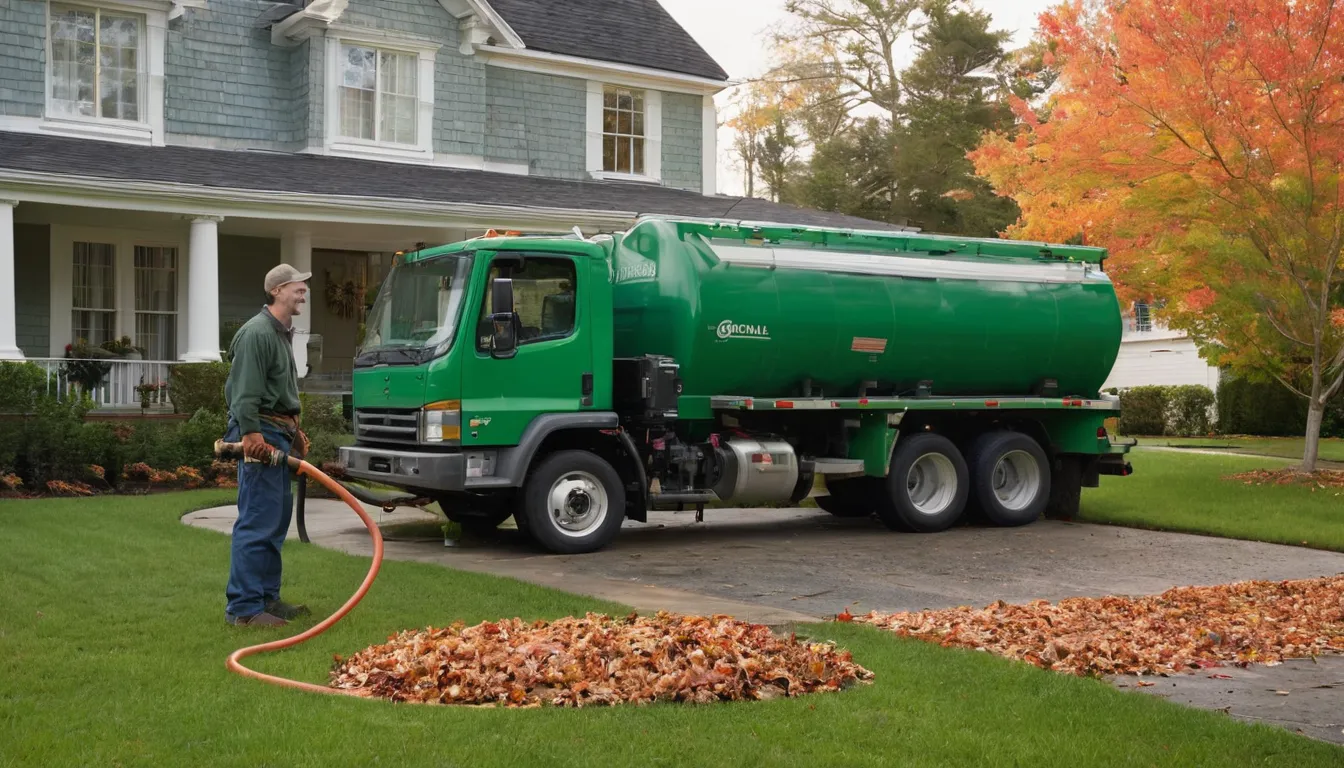
A septic tank holds the waste from your home. Solids sink and build up over time. Pumping removes them before they spill into the drainfield, the buried area where water soaks into the soil. A full tank can cause slow drains, bad smells and backups.
Computerconvention Septic is a referral service. We connect homeowners in the Hampstead area with independent local providers who do the pumping. The provider sets the price and the schedule. You choose who to hire. Frost, thaw, storms and summer crowds all change when pumping makes the most sense, so this page walks you through each season and shows how to fit the work around a busy home.
Some signs mean act soon. Drains gurgle. Toilets flush slowly. A sour smell hangs near the tank or the yard. Wet, spongy grass shows up over the drainfield. Water backs up in the basement drain.
If you see these signs, stop heavy water use. Skip extra laundry and long showers. Then ask a provider to look at the tank.
This is the urgent case. Some providers offer emergency septic cleaning when sewage backs up into the house. Availability varies, so ask. Request a callback to check provider availability.
Solids do not break down fully. They pile up as sludge on the bottom. Grease and light waste form a scum layer on top. Water sits in the middle and flows out to the drainfield.
When the sludge and scum get too thick, solids slip out with the water. They clog the soil. Fixing a clogged drainfield costs far more than a pumping. Regular pumping is the cheap way to protect it.
Many homes need pumping every three to five years. Your number depends on three things:
A big family with a small tank needs it more often. A couple with a large tank may wait longer. A provider can measure the sludge and tell you.
The calendar matters for this job. Here is how each season changes the plan.
Hard frost makes the ground stiff. Deep snow can hide the tank lid. Ice can block access for the truck. Mark the lid in fall so a provider can find it fast. Keep snow off the lid and drainfield. A light snow cover actually helps insulate the pipes, but heavy packed snow does not.
Melting snow and nor'easter rain soak the soil. A wet drainfield cannot take much more water. A tank that is nearly full will struggle. Early spring is a smart time to pump, before the wet weeks pile on.
Visitors mean more showers, more laundry and more flushing. Plan a pumping before a big family event. If you rely on a private well, ask about water well service too, since the well and the septic system sit on the same lot.
The ground is firm and dry. Leaves are down and lids are easy to find. Many households find fall the calmest time to book. It also gets the tank ready for winter.
The visit is short for most homes. The provider finds the lid and opens it. A hose pulls out the liquid, sludge and scum. The provider checks the baffles, which are the small walls that guide the flow. Then the lid goes back on.
Most visits take about an hour or two. You usually do not need to be inside the house, but ask the provider what they need from you.
Pumping is a good time to check the whole system. The provider can look at the tank walls, the pipes and the water level. Ask if the visit includes a written note about what they saw.
If the notes show soggy soil or damaged parts, you may need drainfield repair. That is a separate job with its own page and its own quote.
Many lenders and towns want a septic check at sale time. Sellers often pump the tank first so the inspector can see inside. Buyers should ask for the pumping date and any records. Ask your agent what your area requires.
Busy home? Ask for a window. Tell the provider which days are hard for you. Ask if they can call before they arrive. Move cars and toys off the path to the tank. Pick a morning when the washer and dishwasher can sit idle.
A little planning keeps the day calm.
Small habits protect your tank:
Before you book, ask:
Get the quote in writing. Then pick the provider you trust.
The provider removes liquid, sludge and scum so your tank has room to work again.
The provider finds and opens the lid, then closes it safely when finished.
Many providers look at the baffles and pipes while the tank is open and note any problems.
Ask for a written summary of what the provider saw, so you can plan the next pumping.
Prices vary by tank size, access, distance and season. The ranges below are typical U.S. figures, not quotes. Ask each provider for a written price before the work starts.
| Item | Typical range | Notes |
|---|---|---|
| Standard pumping, 1,000 gallon tank | $300 – $500 | Common for smaller homes |
| Larger tank, 1,500 gallons or more | $450 – $800 | More waste to remove |
| Hard-to-reach lid or digging | $100 – $300 extra | Buried lids take more time |
| Riser installation | $300 – $700 | Brings the lid up to ground level |
| Emergency septic cleaning | $500 – $1,000 | Depends on provider and timing |
| Tank inspection with pumping | $350 – $700 | Often needed for a home sale |
Tell us your address area, tank size if you know it, and any signs like slow drains or smells.
We connect you with an independent provider in our network who serves your area.
Talk with the provider about timing, access and price, and pick a time that fits.
The provider pumps the tank and shares what they find so you know what comes next.
Independent providers in your area do the work, so you deal with people who know local soil and weather.
You share a few details and we pass them along. There is no long form to fill out.
You compare quotes and pick a provider. Nothing is decided for you.
Frost, thaw and storms change timing, so we help you plan before problems start.
Many homes need pumping every three to five years. Tank size, household size and water use change that. A provider can measure the sludge and suggest a schedule for your home.
Often yes, if the provider can reach the lid. Hard frost and deep snow can slow things down. Mark your lid in fall and clear snow so access is easier.
Slow drains, gurgling pipes, bad smells and soggy grass over the drainfield are common signs. Sewage backing up inside the home is urgent, so ask a provider about emergency septic cleaning.
Tell us what is going on with your septic or sewer line. Send a request or reach out, and we will point you to a local provider in our network.
No obligation