Need septic system repair in Hampstead?
- Septic tank pumping and emergency septic cleaning
- Sewer line and septic system repair
- Plans that fit your week
- No obligation
No obligation
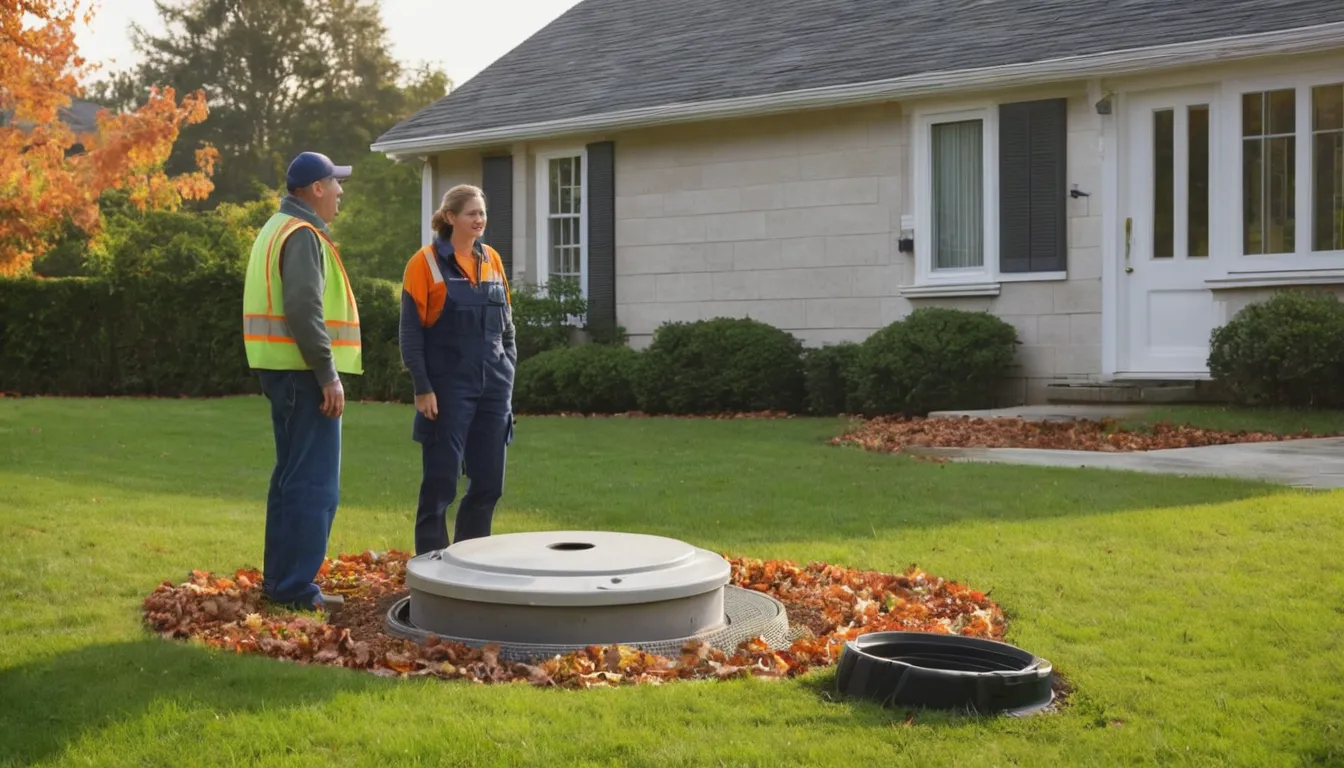
Your septic system is a small waste plant buried in your yard. A tank holds the waste. A drainfield, which is the field of pipes that spreads cleaned water into the soil, finishes the job. When a part breaks, you may see slow drains, bad smells or soggy grass.
Computerconvention Septic is a referral service. We do not do the repair. We link homeowners in the Hampstead area with independent local providers who do. Many providers can respond quickly, and you pick who to hire. Frost, thaw and heavy rain all change how and when repairs make sense, so plan around life and ask for a window that fits your week.
Septic trouble starts small. Spot it early and the fix is often smaller too.
Watch for these signs:
One sign may be a clog. Two or more point to a system problem.
If sewage backs up into the house, stop using water. Skip the laundry. Hold off on showers. Keep kids and pets away from the wet area.
Then reach out to a provider. Many providers can respond quickly, but availability varies.
Most repairs fall into a few groups. Knowing them helps you talk with a provider.
Solids build up over time. A full tank sends waste toward the drainfield, where it does harm. Sometimes pumping is all you need.
A baffle is a small part inside the tank that blocks solids from leaving. When it cracks, solids escape. Pipes can also crack or shift.
Roots hunt for water. They push into pipes and tank joints. Older yards with big trees see this a lot.
Some systems use a pump to move water uphill. If the pump dies or the alarm goes off, the system can back up.
Soil can clog with grease and waste over time. Water then has nowhere to go.
The calendar matters with septic work.
In winter, frozen ground can slow digging. Freeze-thaw cycles can also crack old pipes and lift lids. A nor'easter can soak the yard fast, which may flood a weak drainfield.
In summer, humid weather and extra guests add load. More showers and laundry means more water in the tank.
Spring thaw often reveals damage from the cold months. Fall is a good time to fix known problems before the ground freezes.
If your yard is wet but it has not rained, do not wait for better weather. Get it checked.
Providers follow a simple path. Details differ by job.
Ask for a written quote before work starts.
The drainfield is often the costliest part. Good news: not every bad field needs full replacement.
A provider may fix a broken pipe, clear a blocked line, or fix a bad distribution box. That box splits the water across the field.
Sometimes a field recovers if you cut water use and repair the cause. This depends on soil and damage.
If the soil is clogged for good, the provider may suggest a new field. Local rules often require a permit and a soil test. Ask the provider to explain which apply.
If your home uses a private well, tell the provider. A failing septic system can affect nearby groundwater. Wells and septic parts must also sit a safe distance apart.
After a major failure, many homeowners ask about water well service and a water test. It is a smart step.
This is the big question. Here is a simple way to think about it.
Repair often makes sense when:
Replacement may be worth a look when:
Get more than one opinion on a big job.
Repairs disrupt a yard, not always the whole home. Still, a busy family needs a plan.
Small steps now save stress later.
A backup can leave waste in a basement or on the lawn. Providers may pump the tank and clean the area. Ask whether cleanup is part of the job or priced apart.
Some policies may cover sudden damage, so check your policy. Providers can often help document damage for a claim.
A few habits keep the system healthy.
Before winter, mark the lid so it is easy to find under snow.
A good provider answers plainly. Ask these:
If an answer is vague, ask again.
A provider looks at the tank, lid, baffles and water levels to find what is failing.
Cracked pipes and broken baffles can often be fixed without a full rebuild.
Providers can find clogged lines, soggy soil and failed fields, then explain the options.
Pumps, floats and alarms can be tested, fixed or swapped when they fail.
Prices vary a lot by soil, access, tank type and local rules. These are typical U.S. ranges only. Always get a written quote before any work starts.
| Item | Typical range | Notes |
|---|---|---|
| Inspection | $200 – $600 | Often includes tank and lid check |
| Baffle or filter repair | $300 – $1,000 | Depends on tank access |
| Pipe repair | $500 – $3,000 | Longer runs cost more |
| Pump or float replacement | $400 – $2,000 | Varies by pump type |
| Distribution box repair | $500 – $2,500 | Depends on damage |
| Drainfield repair | $2,000 – $10,000 | Soil and size matter |
Share your symptoms, like slow drains, smells or wet ground, by phone or request form.
We connect you with an independent local provider.
Talk with the provider about timing that fits your household and the weather.
Check the scope and price in writing, then decide if you want to go ahead.
We share options. You compare providers and decide who gets the job.
Frost, thaw and storms change repair plans, so timing advice is part of the conversation.
Call or send a request. No long forms.
Ask questions and get an estimate without pressure to hire.
Look for slow drains, sewage smells, gurgling pipes, wet spots over the drainfield or backups. One sign may be a clog, but several signs together call for a provider to inspect the system.
Sometimes. A provider may fix broken pipes, a bad distribution box or a blocked line. If the soil is clogged for good, the field may need replacement.
Yes. Frozen ground can slow digging, and freeze-thaw cycles can crack old pipes. Many providers still handle urgent problems, but timing and availability vary, so ask early.
Tell us what is going on with your septic or sewer line. Send a request or reach out, and we will point you to a local provider in our network.
No obligation